Essential Kitchen Skills

Chandan Singh
| 25-12-2025
 · Lifestyle Team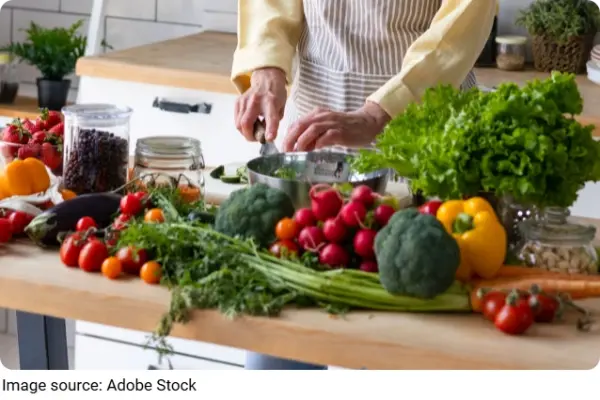
We all have to eat, but not everyone loves spending hours in the kitchen.
Whether you're a beginner or someone who's been cooking for years, mastering kitchen skills can elevate your meals and make your time in the kitchen more enjoyable.
So, let's break down some essential kitchen skills that can help you cook like a pro!
Chopping Skills: Cutting Made Easy
If there's one thing that makes cooking more efficient and safe, it's mastering chopping techniques. Learning how to properly handle and use a chopping tool can save you a lot of time and frustration in the kitchen.
Here's a quick breakdown of how to get started:
Grip: Always hold your cooking tool with your index finger and thumb gripping the blade, and your other fingers wrapped around the handle. This gives you control over the tool.
Chopping: When chopping vegetables, make sure to keep your fingers tucked in and use your knuckles as a guide to avoid injury.
Slicing: To slice efficiently, use a rocking motion—this will help you cut smoothly and quickly.
Pro Tip: Invest in a high-quality tool that fits comfortably in your hand. A good tool can make a world of difference!
Understanding Heat: The Key to Perfect Cooking
Another crucial skill is knowing how to use heat effectively. Too high, and you risk burning your food; too low, and it won't cook properly.
Heat Control: Start by preheating your pan or oven before you start cooking. For stir-fries, medium-high heat works best. For slow-cooked dishes, like soups or stews, low heat ensures a tender result.
Searing: For meats like meat or chicken, searing at a high temperature helps lock in the juices and develop a flavorful crust. After searing, lower the heat to finish cooking.
Pro Tip: Always give your meat a few minutes to rest after cooking. This helps redistribute the juices, keeping it moist.
Measuring Ingredients Accurately
Even if you're not following a recipe, understanding the right measurements can make or break a dish. Proper measurements ensure your flavors and textures turn out just as expected.
Dry vs. Wet Ingredients: Use a dry measuring cup for flour, sugar, and other dry ingredients. For liquids like milk or oil, use a liquid measuring cup. This prevents discrepancies and uneven mixing.
Spooning Flour: When measuring flour, spoon it into your measuring cup and level it off. Don't scoop directly with the cup, as this packs the flour and leads to inaccuracies.
Pro Tip: Use a scale for more precise measurements, especially in baking. This takes out any guesswork.
Chopping Vegetables: Efficiency and Precision
Chopping vegetables can seem like a daunting task, but with a little practice, you can become a pro in no time.
Slicing: Cut your vegetables into uniform sizes to ensure even cooking. Start by cutting off both ends, then slice them into manageable pieces.
Dicing: Once you've sliced the veggies, stack a few slices together and cut them into strips before turning them into cubes.
Pro Tip: Use a serrated tool for tomatoes or delicate fruits to avoid squishing them.
Cooking Methods: Explore Your Options
There are a variety of cooking methods that every cook should understand. Each one enhances the flavor and texture of food in different ways.
Grilling: Great for vegetables, chicken, and fish. Grilling brings out a smoky flavor and crispy texture.
Baking: Ideal for bread, cakes, and casseroles. Baking requires precision, so follow your recipe carefully.
Sauteing: Quick and easy, perfect for vegetables or meats. A hot pan and some oil or butter do wonders for flavor.
Pro Tip: Experiment with these methods to discover new textures and flavors. Each cooking style has its benefits depending on the dish.
Time Management in the Kitchen
Managing time is key to keeping your kitchen running smoothly and ensuring everything is cooked properly.
Prep First: Before you start cooking, chop all your ingredients and have them ready. This will save you from rushing around halfway through cooking.
Cook in Stages: If you're making a multi-course meal, start with the dish that takes the longest and work your way down.
Pro Tip: Set timers for each step of your recipe, so you never overcook anything!
Mastering these kitchen skills will make cooking less stressful and a lot more fun. Whether you're cooking a weeknight dinner or preparing for a special occasion, these skills will help you feel more confident and in control. So grab your chopping tools, heat up the stove, and start experimenting—before you know it, you'll be whipping up dishes like a true kitchen pro!