Korean Drums

Pankaj Singh
| 25-12-2025
 · Lifestyle Team
When you think of traditional instruments, many might picture a guitar, piano, or violin. But what if I told you that one of the most powerful instruments in Korean music is a drum?
This isn't just any drum, though—it's an integral part of Korean culture and music, creating beats that echo through history.
Whether in ancient rituals or modern performances, the drum plays a unique role in bringing rhythm and life to Korean traditions. Let's dive into the fascinating world of Korean traditional drums.
The Role of Drums in Korean Culture
In Korea, drums are not just musical instruments—they are deeply woven into the cultural and spiritual fabric of the country. The sound of a drum often symbolizes power, strength, and connection to ancestors.
Cultural significance: Drums in Korea are used in a variety of cultural ceremonies, such as rituals for good harvests, prayers for health, and celebrations of life.
Symbolic meaning: The drum's rhythmic sound is believed to connect the human world with the spiritual realm, especially during traditional Korean shamanistic rituals.
For example, during the famous Korean Samulnori performances, four traditional instruments, including the drum, come together to create a lively, energetic atmosphere. Here, the drum symbolizes the heartbeat of the earth, binding the players, audience, and history in a shared experience.
Types of Korean Drums
Korean traditional drums come in many forms, each with its own specific purpose and sound. The two main types you'll come across are the janggu (hourglass drum) and the buk (double-headed drum).
Janggu: This is an hourglass-shaped drum with one large and one small head, traditionally played with two sticks. It's often used in Korean folk music and plays an essential role in pansori (traditional Korean storytelling music) and samulnori performances.
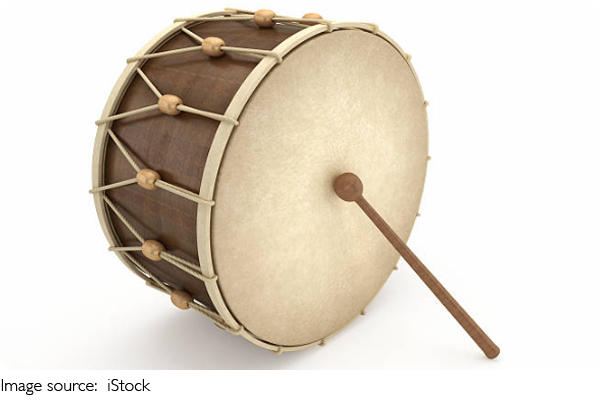
Buk: The buk is a double-headed drum with a rich, deep sound. It's used in more formal settings, including Korean court music and spiritual ceremonies, where its powerful, deep tones are meant to convey authority and solemnity.
For example, the janggu is commonly used in samulnori groups, where its lively rhythms complement the other instruments, creating an engaging performance. On the other hand, the buk may be heard in more meditative settings like Buddhist rituals, where it helps set a reflective mood.
How Drums are Played
The way Korean drums are played varies depending on the type of drum and the setting. From vibrant folk performances to more solemn spiritual rituals, the technique used to play each drum creates a distinct sound that reflects the mood and purpose of the event.
Technique: The janggu is played using two sticks, one thick and one thin. The drummer alternates between hitting the larger side (creating a deeper sound) and the smaller side (for a higher pitch), achieving a unique rhythm.
Physical movements: For many drummers, the act of playing is more than just a technical skill. It's a physical expression of energy and emotion. The drummers move their bodies, lean into the beat, and at times even incorporate dancing into the rhythm.
In a samulnori performance, for example, the drummer uses both hands to hit the janggu, creating a syncopated rhythm that makes the performance feel spontaneous and exciting. The physical movement of the drummer mirrors the energy and life that the drums bring to the music.
The Drum's Role in Traditional Korean Music
The rhythm created by the drums is vital to traditional Korean music, and it's more than just a backdrop—it drives the entire performance.
Driving force: In Korean traditional performances like pansori or gugak (Korean traditional music), drums help maintain the tempo and guide the other instruments and vocalists. They set the mood, building tension or releasing it with their rhythms.
Connection to the audience: Drums help create an emotional connection between the performers and the audience. In samulnori, for example, the rhythm of the drum energizes the crowd, making them feel as if they're part of the performance.
During a traditional pansori performance, the janggu plays a crucial role in punctuating the emotional beats of the storytelling. The rhythm fluctuates with the narrative, creating an immersive experience for the audience.
Modern Uses of Korean Drums
While traditional Korean drums are still prevalent in cultural ceremonies and performances, they've found a place in modern music as well. Contemporary Korean artists blend traditional drums with modern genres like K-pop and hip-hop, creating a unique fusion of old and new.
Fusion with modern music: Drums like the janggu have made their way into the world of pop and experimental music, blending traditional rhythms with electronic sounds.
Global influence: Korean drumming, especially samulnori, has gained recognition worldwide. Performers travel globally, bringing the traditional sounds of Korean drums to new audiences, often collaborating with musicians from various cultural backgrounds.
For example, in modern K-pop music videos, you might spot traditional Korean drums in the background, adding a touch of Korean identity to the upbeat, globally popular music. These collaborations showcase the dynamic, evolving nature of Korean culture.
Conclusion
The drum is not just an instrument in Korea; it's a symbol of tradition, emotion, and power. From the deeply spiritual buk used in rituals to the lively janggu in folk performances, each drum has its place in Korea's rich cultural landscape. Even in modern music, these traditional drums continue to evolve, bridging the past and the future. Whether you're hearing the beat at a local festival or on a global stage, the sound of the drum remains a vital part of Korean heritage, telling stories that resonate across generations.