Yellowbirds
Ravish Kumar
| 11-02-2026
 · Animal Team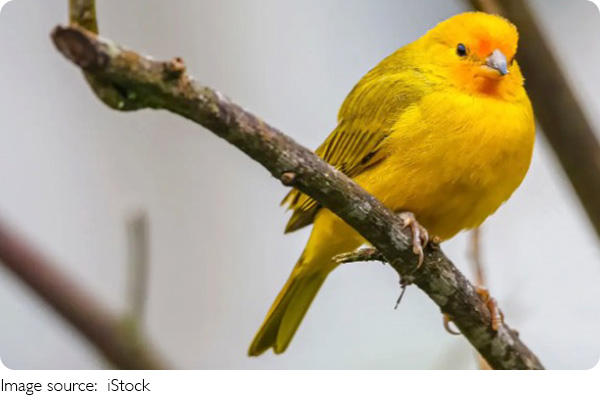
Watching a flash of bright yellow darting through the trees can instantly lift your mood.
Yellowbirds, small yet striking, are more than just colorful companions in the sky—they have fascinating habits, clever survival strategies, and social behaviors that often go unnoticed.
Understanding these details can deepen your appreciation for these lively songbirds.
Vivid Plumage and Camouflage
Yellowbirds' bright feathers are not only beautiful but serve functional purposes in their environment.
1. Signaling health and vitality: Vibrant coloration often indicates a well-fed, strong bird, making them more attractive to potential mates.
2. Camouflage among foliage: When perched among green leaves, the yellow tones can help break up their outline, making them less visible to predators.
3. Seasonal changes: Some yellowbirds develop slightly duller colors outside of mating season, conserving energy while still blending into their surroundings.
Actionable example: When birdwatching in spring, focus on patches of bright foliage near water—this is where male yellowbirds often display their full plumage to attract mates.
Remarkable Singing Abilities
Yellowbirds are famous for their melodic songs, which play multiple roles in communication.
1. Territory marking: Singing loudly establishes ownership of a feeding or nesting area.
2. Courtship display: Complex songs signal strength and genetic fitness to potential mates.
3. Learning and variation: Young yellowbirds often mimic adults, gradually perfecting their unique calls over weeks.
Actionable example: Place a feeder in a quiet backyard corner. The repeated visits allow you to notice subtle differences in song patterns, helping you identify individual birds.
Agile Flight and Foraging
These small birds are agile fliers, capable of quick maneuvers that aid both survival and feeding.
1. Hovering skills: Yellowbirds can hover briefly to pluck insects from leaves or sip nectar from flowers.
2. Aerial acrobatics: Sharp twists and rapid flutters allow them to escape predators or navigate dense shrubs.
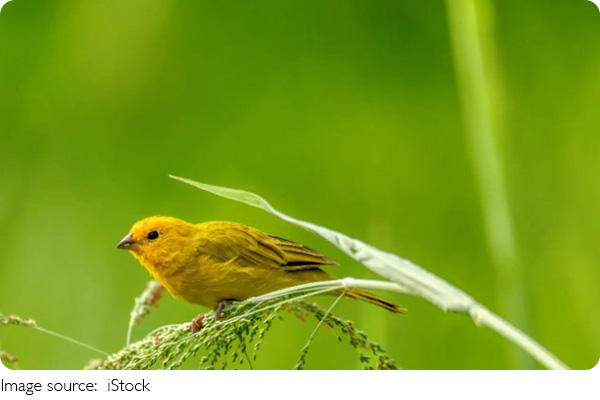
3. Versatile diet: They feed on insects, seeds, and small fruits, adjusting for seasonal availability.
Actionable example: Set up a mix of seeds and fruit in a tray. Observe how they flit between perches, sometimes hovering mid-air to grab bits of food—a natural display of their skill.
Social and Territorial Behaviors
Yellowbirds show interesting patterns in how they interact with one another.
1. Flock dynamics: Outside of mating season, some species form small flocks, increasing foraging efficiency and protection against predators.
2. Territorial disputes: Males often chase rivals away from nesting areas, using both song and aggressive flights.
3. Pair bonds: Certain species form long-term pair bonds, sharing nesting duties and caring for chicks together.
Actionable example: During spring, observe a pair near a dense bush. Note how the male sings continuously while the female tends to the nest—both roles are critical for raising chicks successfully.
Nesting and Reproduction
Yellowbirds' nesting habits reveal both cleverness and adaptability.
1. Nest placement: They often build nests in shrubs or low branches, hidden from predators but accessible for feeding.
2. Camouflaged construction: Using moss, leaves, and grasses, they blend the nest seamlessly with surroundings.
3. Multiple broods: Some species can raise two or more broods per season, maximizing reproductive success.
Actionable example: Leave a small, sheltered nesting platform in your backyard. By observing from a distance, you can witness the intricate nest-building and chick-rearing process safely.
Survival Strategies and Adaptations
Yellowbirds' behaviors show remarkable adaptability in the wild.
1. Seasonal migration: Some populations travel hundreds of miles to find food or avoid harsh weather.
2. Predator avoidance: Quick flights, cryptic perching, and vigilant scanning all reduce predation risks.
3. Energy conservation: They balance feeding, resting, and singing to maintain strength without overexertion.
Actionable example: During autumn, keep binoculars handy to observe migrating yellowbirds stopping at feeders. Their brief, efficient visits demonstrate careful energy management during long journeys.
Yellowbirds are vibrant, intelligent, and agile creatures, full of surprising behaviors that make them a joy to watch. By noticing their plumage, songs, social interactions, and clever survival strategies, you can connect with their world in a meaningful way. Each chirp, hover, and subtle maneuver reflects a remarkable adaptation to life in the wild, reminding us of the beauty and complexity in even the smallest birds.