Secrets of the Red Squirrel

Raghu Yadav
| 05-03-2026
 · Animal Team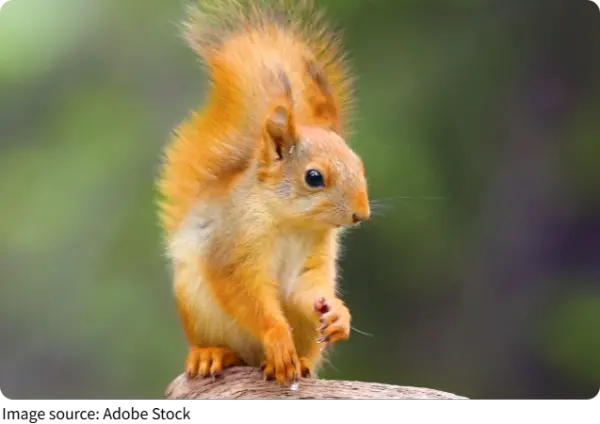
On a crisp autumn morning, a flash of russet fur darts across the forest floor.
Tiny paws grip acorns, eyes alert, and in seconds the creature vanishes into the canopy above.
The Eurasian red squirrel is both charming and clever, a master of preparation and survival in temperate woodlands. Observing one at work is like witnessing a forest acrobat at the peak of its game.
These squirrels are fascinating not just for their nimble movements but for the complex behaviors that allow them to thrive. From food caching to territorial navigation, each action reflects adaptation and intelligence.
Food Storage and Foraging
1. Scatter-hoarding strategy
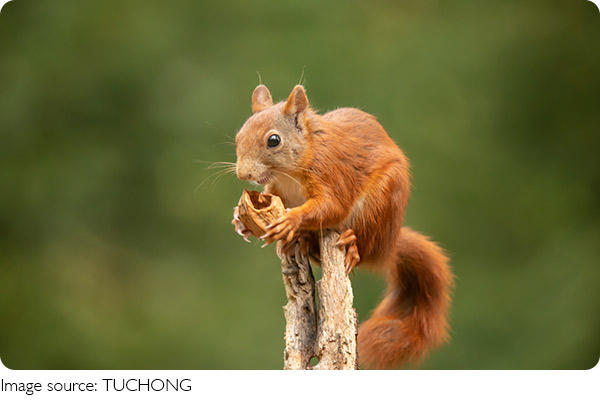
Red squirrels store food in numerous hidden locations, a behavior known as scatter-hoarding. Nuts, seeds, and fungi are buried across their territory, ensuring a reliable supply through the scarce winter months. This distribution reduces the risk of losing all reserves to pilferers or spoilage.
2. Memory and spatial awareness
These squirrels exhibit impressive memory skills, recalling hundreds of cache locations. Landmarks like tree trunks, stones, and moss patches help them relocate stored food efficiently. Studies have shown they even adjust caches if they notice theft attempts by other squirrels or jays.
3. Selective foraging
Eurasian red squirrels are highly selective, choosing ripe, nutrient-rich nuts over damaged or unripe ones. Their keen sense of smell and taste guides this selection, allowing them to maximize energy intake from limited resources.
Arboreal Skills and Territory
1. Agile climbers
With strong hind limbs and sharp claws, red squirrels navigate trees with remarkable agility. They leap between branches and descend trunks headfirst, a skill that allows rapid escape from predators and access to food sources high above the forest floor.
2. Territorial behavior
Each squirrel maintains a home range, which it defends through vocalizations, scent marking, and strategic food placement. Territories overlap minimally, helping to reduce conflicts while still providing access to diverse foraging areas.
3. Nesting in dreys
Red squirrels build spherical nests called dreys, usually made of twigs, moss, and leaves, positioned high in tree forks. These nests provide shelter from weather and predators and serve as resting and breeding sites, often reused and maintained over multiple seasons.
Adaptations for Winter Survival
1. Winter coat changes
The Eurasian red squirrel grows a thicker, sometimes darker coat during winter. This insulation is vital for conserving heat in colder months, while its fur coloration helps it blend into the bare, frosted branches.
2. Energy conservation
Although they do not hibernate, these squirrels reduce activity during extremely cold periods. By spending more time in dreys and consuming cached food strategically, they conserve energy until temperatures rise.
3. Predator awareness
Winter landscapes expose squirrels to predators like hawks and foxes. Their sharp vision, quick reflexes, and high arboreal mobility help them avoid danger while still maintaining access to vital food stores.
Watching a Eurasian red squirrel at work is a reminder of the ingenuity present in even the smallest creatures. Each leap, each buried nut, and each deft maneuver reflects an intricate survival strategy honed over generations. Their ability to adapt, remember, and anticipate environmental changes shows that resilience in the wild is about more than strength—it's about cleverness, preparation, and awareness.
Next time you spot a flash of red in the trees, pause and observe. Behind that lively movement lies a story of survival, intelligence, and forest mastery waiting to be appreciated.