Clutter, Calmly Hidden

Mukesh Kumar
| 07-04-2026
 · Lifestyle Team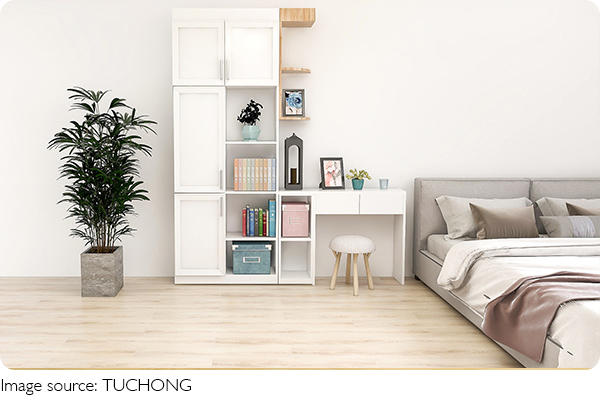
This guide is created for Lykkers who love a visually calm space but still live real, active lives. Everyday clutter is not a sign of poor habits. It is often proof of creativity, comfort, and daily movement.
The challenge is not removing these items, but helping them blend into the space without stealing attention. This guide explores how to hide clutter in plain sight, using thoughtful decorating choices that feel natural rather than forced. You are not aiming for perfection. You are shaping a space that feels easy to live in and gentle to look at.
Let Furniture Do the Work
The easiest way to manage clutter is to let everyday furniture quietly support your routines. When storage is built into what you already use, tidiness feels effortless.
Choosing pieces with quiet storage
You may notice that certain furniture already invites hiding. A bench that opens, a table with drawers, or a seat with space beneath naturally absorbs small items. These pieces do not announce their purpose. They simply hold what needs to stay close. When storage blends into furniture, clutter stays accessible but invisible. You keep your habits, while the room keeps its calm.
Blending storage with visual balance
A space feels calmer when storage looks intentional. When shapes, colors, and materials match the rest of the room, hidden items do not disrupt the mood. You might choose finishes that echo nearby surfaces or fabrics that repeat existing textures. This visual continuity allows storage to disappear into the background. The eye rests, even when objects are close by.
Using height and depth wisely
Clutter often gathers at eye level. By shifting storage slightly higher or lower, attention moves away from it. Shelves placed above natural sight lines or low units tucked beneath furniture reduce visual noise. You still know where everything lives, but the room feels more open. This subtle adjustment can make a space feel larger and lighter without removing a single item.
Turn Decor into Disguise
Decor is not only about beauty. It can also quietly guide where everyday items belong, helping clutter feel intentional rather than accidental.
Decorative containers with purpose
Containers work best when they feel like part of the design. Baskets, boxes, and trays can hold daily essentials while adding texture and warmth. When these items match the tone of the room, they look planned rather than practical. You may find that clutter feels easier to manage when it has a designated place that still looks decorative.
Layering hides what matters less
Layering allows some items to fade behind others. A stack of books, a folded textile, or a decorative object placed in front can soften visual impact. You are not hiding things away completely. You are guiding the eye toward what feels most important. This technique keeps frequently used items close without letting them dominate the space.
Creating zones instead of rules
Strict systems often fail because daily life shifts. Zones feel more forgiving. When an area gently suggests where items belong, habits follow naturally. A surface near the entrance invites keys and small essentials. A corner near seating welcomes reading materials. These zones reduce scatter without demanding constant attention. You move through the space easily, and clutter settles where it feels expected.
As these strategies come together, clutter begins to lose its weight. It no longer feels like a problem to solve, but a reality to soften. The room starts supporting daily life rather than resisting it.
Hiding everyday clutter in plain sight is about working with life, not against it. Thoughtful furniture choices and decorative layers allow daily items to stay close without taking over the space. For Lykkers, this approach offers freedom. You are not required to change habits or chase perfection. You are simply shaping an environment that feels calm, flexible, and welcoming. When clutter blends into the background, the space feels lighter, and living in it feels easier.