Wood Tones, Harmonized

Mason O'Donnell
| 07-04-2026
 · Lifestyle Team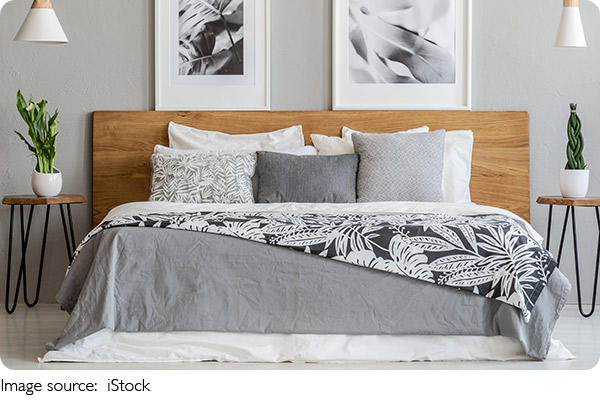
Wood brings warmth, texture, and a sense of grounding to any interior. Yet once more than one wood tone appears in a room, uncertainty often follows. You may wonder whether the space will feel layered or chaotic, intentional or accidental. The good news is that mixing wood tones is less about strict rules and more about balance, repetition, and mood.
For Lykkers who enjoy decorating with feeling rather than fear, learning how to blend wood tones can turn hesitation into confidence. This guide explains how different woods can coexist beautifully, how to avoid visual tension, and how to create spaces that feel collected, natural, and quietly cohesive.
Understanding Why Wood Tones Clash
Before learning how to mix wood tones well, it helps to understand why clashes happen in the first place. This part focuses on how the eye reads wood and what causes discomfort in a space.
Undertones Matter More Than Color
Wood is often described as light or dark, but undertones play a bigger role than brightness alone. Some woods lean warm, others cool, and some sit in between. When undertones fight each other, the room can feel unsettled. You may notice that even similar shades feel off together if one carries a golden warmth and another feels gray or muted. Recognizing undertones helps you choose combinations that feel related rather than random.
Too Many Competing Statements
Clashing often happens when multiple wood pieces all demand attention. When each surface tries to stand out, the eye has nowhere to rest. This visual competition creates tension. A room feels calmer when one wood tone leads while others support. Balance comes from hierarchy, not uniformity.
Lack of Repetition Creates Discomfort
The eye looks for patterns. When a wood tone appears only once, it can feel accidental. Repetition helps the brain understand that a choice was intentional. Without it, even beautiful pieces may feel out of place. Repeating tones, even subtly, helps tie the room together.
How to Mix Wood Tones Gracefully
Once you understand what causes visual tension, mixing wood tones becomes a creative process rather than a risk. This part explores how to build harmony while keeping the space relaxed and expressive.
Choose a Dominant Wood Tone
Most successful rooms start with one main wood tone that sets the foundation. This tone often appears in larger pieces, such as flooring or main furniture. Other wood tones then work around it rather than competing. You may find that once a dominant tone is established, choosing additional woods feels easier and more intuitive.
Stay Within a Shared Temperature
Warm woods tend to work best with other warm woods, and cooler woods pair more easily together. Mixing temperatures is possible, but it requires care. When tones share a similar warmth or coolness, they feel connected even if the shades differ. This shared temperature creates a sense of unity that allows variety without chaos.
Use Contrast With Intention
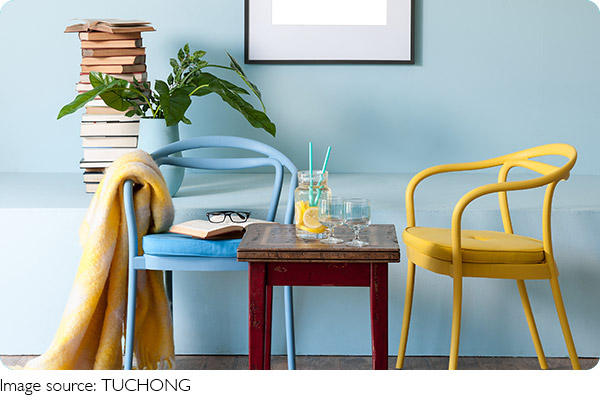
Contrast adds depth when used thoughtfully. Pairing a lighter wood with a deeper one can create interest and structure. The key is spacing. When contrasting tones are separated by neutral elements, such as fabric or wall color, they feel balanced rather than abrupt. Contrast works best when it feels deliberate, not crowded.
Let Texture Do Some of the Work
Different wood grains and finishes help soften transitions between tones. A smooth surface next to a more textured one adds richness without relying on color alone. You may notice that variation in texture makes mixed woods feel layered and natural. Texture gives the eye something to enjoy beyond shade comparison.
Mixing wood tones without clashing is about understanding relationships rather than avoiding variety. When undertones align, hierarchy is clear, and repetition is present, wood tones begin to support one another naturally. Contrast adds character when balanced with space and texture. For Lykkers who want rooms to feel thoughtful yet relaxed, mixing wood tones becomes an opportunity for expression rather than a design challenge. With patience and attention, wood elements can blend into a space that feels layered, warm, and quietly intentional, reflecting both care and creativity.