Floral Home Styling

Caleb Ryan
| 22-04-2026
 · Plant Team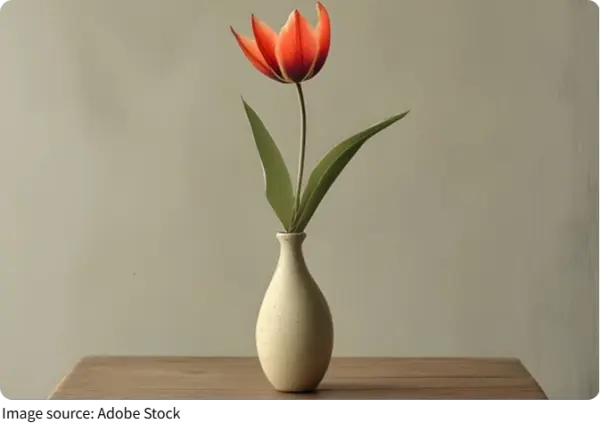
A room can feel complete yet still lack warmth—until flowers quietly change the atmosphere.
A single arrangement on a table or a small cluster by a window can shift how a space feels, making it more inviting and alive. The key is not just adding flowers, but placing and styling them with intention.
Living Room: Create a Visual Center
The living room is where flowers can make the strongest impression. This space often benefits from a focal arrangement that draws attention without overwhelming the room.
Place a medium-to-large bouquet on a coffee table or side table. Choose colors that echo existing elements like cushions or rugs to create harmony. If your living room has neutral tones, consider adding brighter flowers for contrast.
Balance is essential. If the arrangement is large, keep surrounding décor minimal so the flowers remain the highlight.
Dining Area: Keep It Low and Inviting
In dining spaces, flowers should enhance the experience without obstructing interaction. Tall arrangements may look impressive but can disrupt conversation.
Opt for low-profile designs:
1. Compact bouquets — Keep height below eye level
2. Soft colors — Create a relaxed and welcoming mood
3. Simple containers — Avoid overly decorative bases
Round shapes often work best on dining tables, as they feel balanced from every angle.
Bedroom: Focus on Calm and Simplicity
Flowers in the bedroom should feel gentle rather than dramatic. This is a space for rest, so subtle tones and smaller arrangements are more suitable.
Place flowers on a bedside table or dresser. Choose light colors such as soft white, pale pink, or muted lavender. Fragrance should also be mild to avoid becoming overwhelming in a closed space.
Keep the arrangement simple. A few stems can often feel more refined than a dense bouquet.
Kitchen: Add Fresh Energy
The kitchen benefits from lively, refreshing touches. Flowers here should feel casual and natural, almost as if they were just picked and placed.
Good placement ideas include:
1. Near a window — Enhances natural light
2. On a counter corner — Adds color without interfering with tasks
3. Small jars or simple vases — Keeps the look relaxed
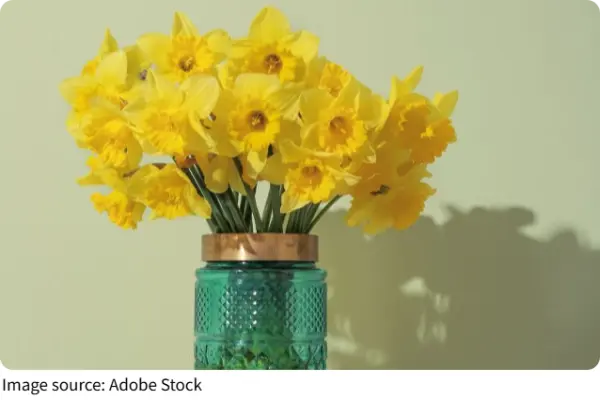
Bright colors like yellow or orange work well in kitchens, bringing a sense of energy to the space.
Bathroom: Small Details Matter
Even the smallest room can benefit from flowers. In bathrooms, scale is everything.
Use tiny arrangements or even a single stem. Place it near the sink or on a shelf where it can be easily noticed. Choose flowers that tolerate humidity well and avoid overcrowding the space.
Light-colored blooms can make compact areas feel cleaner and more open.
Entryway: Make a First Impression
The entryway sets the tone for the entire home. A thoughtfully placed floral arrangement can immediately create a welcoming atmosphere.
Choose a slightly structured design that feels intentional but not overly formal. Position it on a console table or near the entrance.
Consider these elements:
1. Balanced shape — Creates a neat first impression
2. Seasonal colors — Reflects the mood of the moment
3. Moderate size — Visible but not obstructive
This small detail can leave a lasting impression on anyone entering your home.
Adjusting for Light and Space
Each room has different lighting and spatial conditions, and flowers should adapt accordingly. Bright rooms can support more vibrant colors, while dimmer areas benefit from lighter tones that stand out.
Also consider the size of the space. Large rooms can handle fuller arrangements, while smaller spaces require restraint. Matching scale to environment ensures that flowers enhance rather than clutter.
In the end, decorating with flowers is less about following strict rules and more about understanding each space's character. A thoughtful placement, the right color balance, and attention to scale can transform everyday rooms into spaces that feel intentional and alive. With just a few well-chosen blooms, your home gains a quiet elegance that's both natural and deeply personal.