Cat Types

Caleb Ryan
| 26-04-2026
 · Animal Team
Walk into a room with different cats and you might immediately notice they don't just look different—they behave differently too.
Some quietly observe from a distance, some follow you from room to room, and others seem to treat every space like their personal exploration zone.
These personality patterns often align with well-known cat types such as Ragdoll, British Shorthair, and Tabby.
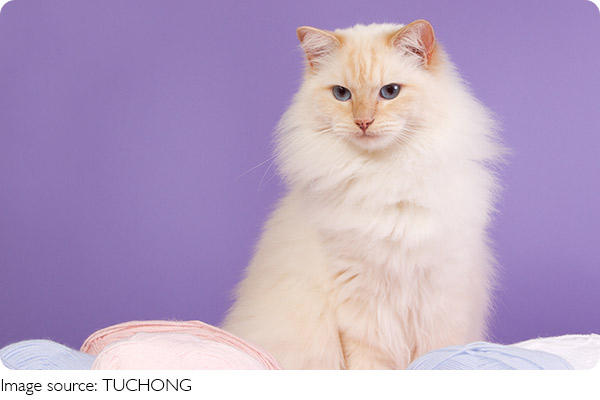
Ragdoll: The Gentle Companion
Ragdoll cats are often recognized for their calm, relaxed behavior and strong attachment to human interaction.
Typical traits include:
• Soft, easygoing temperament
• Enjoying being held or gently carried
• Preferring quiet, stable environments
• Following people from room to room
They tend to form strong emotional bonds and often relax fully in familiar settings.
British Shorthair: The Calm Observer
British Shorthairs are known for their steady, composed personality. They often observe before engaging.
Common behaviors:
• Calm and balanced reactions to new situations
• Independent but not distant
• Enjoying personal space while staying nearby
• Low tendency toward sudden bursts of activity
They often prefer predictable routines and quiet surroundings.
Tabby: The Curious Explorer
“Tabby” refers to a coat pattern rather than a single breed, but many tabby-patterned cats share energetic and curious traits.
Typical characteristics:
• High curiosity about surroundings
• Frequent exploration of new spaces
• Playful responses to movement or sound
• Strong adaptability to different environments
They often act as natural explorers within the home.
Differences in Social Behavior
Each type tends to interact with humans in slightly different ways.
Key comparisons:
• Ragdolls: seek close physical comfort
• British Shorthairs: prefer calm proximity without constant interaction
• Tabbies: engage through movement and exploration
• All types: can form strong bonds depending on environment
These differences make each interaction unique.
Energy Levels and Daily Rhythm
Activity patterns also vary between these types.
General tendencies:
• Ragdolls: steady, low-to-moderate activity
• British Shorthairs: short bursts followed by long rest periods
• Tabbies: more frequent active exploration sessions
• All types: adjust behavior based on household routine
Understanding rhythm helps create a comfortable environment for them.
Communication Styles
Cats communicate in subtle but distinct ways depending on personality type.
Examples:
• Ragdolls: gentle body language and close contact
• British Shorthairs: quiet observation and minimal vocalization
• Tabbies: expressive movement and interactive behavior
• Shared signals: tail movement, posture, and gaze direction
Each type uses a slightly different “style” of expression.
Living Together with Different Types
Many homes include a mix of personalities, which can create interesting dynamics.
Helpful approaches:
• Provide separate resting areas
• Offer varied stimulation (quiet and active toys)
• Respect individual comfort levels
• Avoid forcing interaction between cats
Balanced environments help each personality thrive.
Final Reflection
Ragdoll, British Shorthair, and Tabby cats each bring a different rhythm into everyday life. One may bring calm companionship, another quiet stability, and another lively curiosity. Together, they show how diverse feline personalities can be while still sharing the same basic need for comfort, safety, and connection.
Understanding these differences turns daily interactions into something more meaningful—less about classification, and more about observing unique individual behavior.