Perfect Dog Walks

Mariana Silva
| 19-05-2026
 · Animal Team
Walking your dog is more than just a routine activity—it's essential for their physical health, mental stimulation, and your bond. Regular walks help maintain a healthy weight, reduce anxiety, and prevent destructive behavior caused by boredom.
But how do you determine the best time and frequency for these walks? And what are the key behavior corrections to ensure a pleasant experience for both of you?
Choosing the Best Time for Walks
The time you choose to walk your dog should consider both your schedule and your dog's needs. Early mornings and late evenings are usually ideal, especially in hot climates, because temperatures are cooler and safer for your pet's paws and overall comfort. Dogs are more energetic during these times, making walks more engaging. Additionally, avoid midday walks during summer to prevent overheating or paw pad burns on hot pavement.
How Often Should You Walk Your Dog?
Frequency depends on your dog's breed, age, and energy level. Most dogs benefit from two walks a day—morning and evening—each lasting around 20 to 30 minutes. High-energy breeds like Border Collies or Labradors may require longer or additional walks, while older or small breeds might prefer shorter, more frequent outings. Puppies need shorter, more frequent sessions to avoid overexertion but still stimulate their development.
Recognizing Your Dog's Walking Needs
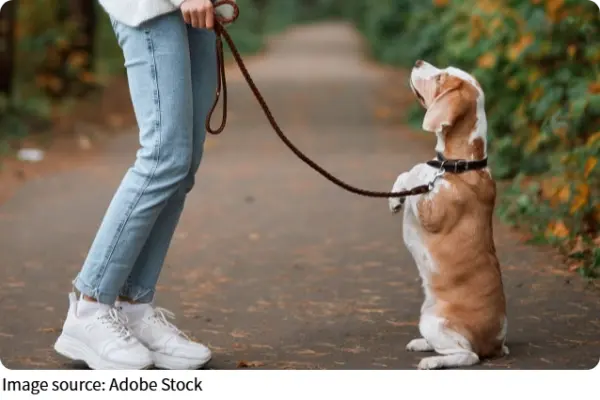
Every dog has a unique personality and physical condition. Pay attention to your pet's behavior after walks. If your dog is still restless or destructive, they may need more exercise or mental stimulation. Conversely, if your dog seems tired or reluctant to go outside, a gentler walking routine might be necessary. Adjust the pace, distance, and duration accordingly.
Essential Behavior Correction Techniques During Walks
Walking offers a great opportunity to train and reinforce good behavior. Common issues include pulling on the leash, barking excessively, or lunging at other dogs or people. Using positive reinforcement techniques like treats and praise when your dog walks calmly beside you can gradually reduce these behaviors.
Consistency is key. Use commands such as "heel," "sit," or "stay" during walks to guide your dog's actions. If your dog pulls, stop walking and wait until they calm down before proceeding. This teaches them that pulling will not get them where they want to go.
Tools That Help Make Walks Easier
Choosing the right equipment can greatly improve the walking experience. A well-fitted harness is often better than a collar for preventing strain on your dog's neck. Retractable leashes give dogs some freedom but require careful handling to avoid accidents. For training purposes, shorter, fixed-length leashes offer better control.
Addressing Special Situations
Sometimes walks may encounter distractions like other dogs, traffic, or loud noises that can cause anxiety or excitement. Prepare your dog by practicing commands at home and gradually exposing them to these triggers during walks. Carrying treats or toys can help divert their attention when needed.
Engaging Your Dog's Mind During Walks
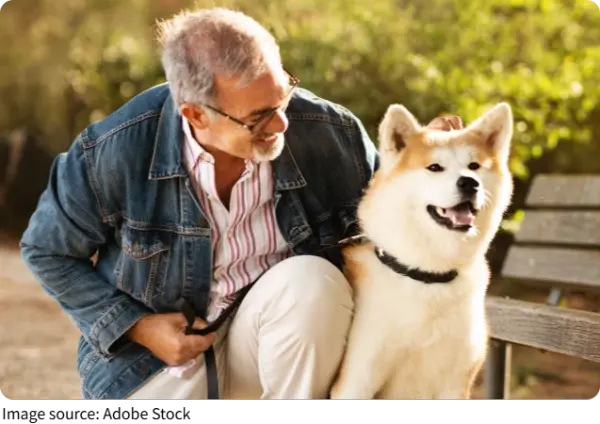
Physical exercise alone isn't enough—mental stimulation matters too. Allow your dog to sniff around safely, explore new environments, and encounter various scents. You can also integrate simple training exercises during the walk to keep their mind active.
Final Thoughts: Make Walks a Joyful Routine
Walking your dog is a rewarding activity that strengthens your relationship and supports their well-being. By choosing the right times, understanding your dog's needs, and applying effective behavior correction techniques, every walk can become a peaceful and enjoyable experience.
How do you make your dog walks special? Feel free to share your tips or questions!