Golden Harvest Hands

Mariana Silva
| 01-06-2026
 · Lifestyle Team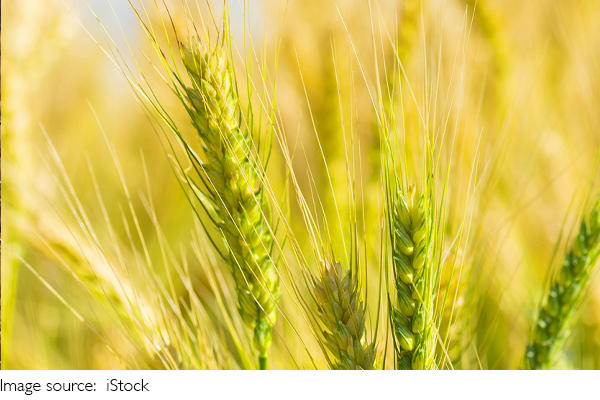
A young Indian woman harvesting wheat shows more than farm work. Lykkers, this scene carries sunlight, skill, family effort, food wisdom, and the quiet strength behind everyday meals.
Wheat does not appear on the table by magic. It begins in soil, grows through seasons, turns golden, and finally meets careful hands in the field.
Understand the Harvest Scene
A wheat harvest may look simple from far away, but every movement has purpose. When you look closer, you see timing, tradition, and practical knowledge working together.
Why wheat turns golden
Green wheat is still growing. Golden wheat usually means the grain has matured and dried enough for harvest. The color shift is nature’s signal that the field is ready.
For children and curious readers, this is a great visual lesson. Green means the plant is still feeding the grain. Gold means the plant has finished most of its work. That simple color change connects weather, soil, sunlight, and human timing.
The skill behind hand harvesting
Hand harvesting takes patience and rhythm. The worker gathers stems, cuts low enough to collect the crop, and keeps bundles organized. It looks repetitive, but the skill lies in steady movement.
A young woman in the wheat field may be balancing speed, safety, posture, and accuracy. Too much hurry wastes energy. Too little focus slows the work. Good harvesting has a quiet rhythm, almost like a field dance.
Why timing matters
Harvest too early, and the grain may hold too much moisture. Harvest too late, and wind or rain may damage the crop. Farmers watch the weather, grain texture, and plant color carefully.
This gives a useful life lesson: good timing often matters as much as hard work. Lykkers, not every task improves by rushing. Some things need the right season, the right moment, and the right hands.
Respect the worker
A harvest photo can look beautiful, but it also shows demanding labor. Standing under sun, bending over rows, carrying bundles, and repeating careful motions takes endurance.
When you eat bread, noodles, flatbread, or cereal, remember the people behind the grain. Food feels different when you know it passed through fields, weather, tools, transport, and many working hands before reaching you.
Notice the field details
Look at the wheat heads, soil, clothing, shadows, and sky. These details tell a bigger story. Bright sun may show a hot harvest day. Bundled wheat may show organized fieldwork. Traditional clothing may reflect local identity and practicality.
A good image is not only pretty. It is full of clues.
Bring Harvest Wisdom Home
You do not need a wheat field to learn from this scene. The harvest can inspire better food habits, nature learning, gratitude, and simple daily routines.
Trace food back to the field
Choose one wheat-based food at home and trace its journey. Start with wheat seeds, then growing plants, harvest, threshing, milling, flour, dough, and finally food.
This turns an ordinary meal into a story. Children can draw each step. Families can talk about how much effort sits behind one piece of bread or one bowl of noodles.
Try a grain observation activity
Place flour, whole wheat grains, and a wheat photo side by side if available. Ask children to compare texture, color, and shape. Flour feels soft. Grain feels firm. The plant looks tall and golden.
This simple activity helps children understand transformation. Food changes form many times before we eat it.
Create a harvest gratitude habit
Before a meal, take ten seconds to name one person or process behind the food. Farmer, driver, mill worker, cook, rain, sun, soil. This habit is short, but it changes attention.
Gratitude does not need a long speech. It only needs awareness.
Make a wheat-field craft
Use paper, crayons, and dried grass or craft straw. Draw a field, sky, and sun. Add long golden lines for wheat stems. Children can add a person harvesting, birds in the sky, or bundles on the ground.
This craft works as both art and learning. It helps children remember that wheat is a plant before it is food.
Learn from farm posture
Harvest work shows why body awareness matters. Repeated bending can be tiring, so workers often develop efficient movement.
At home, you can practice safe movement during chores or gardening. Bend with care, switch tasks, take water breaks, and avoid staying in one position too long. Practical body care belongs in every kind of work.
Support mindful buying
When possible, choose food with clearer sourcing, local grain products, or brands that share farming information. You do not need perfect choices every time. Better awareness is already progress.
Reading labels can become a small learning moment. Where was the flour made? Is it whole grain or refined? What food tradition does it connect to?
Use the harvest as a life metaphor
A wheat field teaches that results come after many hidden stages. Soil preparation, sowing, rain, sunlight, growth, waiting, and harvesting all matter.
This is useful for school, work, creativity, and personal goals. You may not see progress every day, but steady effort can still be growing under the surface.
A young Indian woman harvesting wheat is a scene of patience, strength, and daily wisdom. Lykkers, behind the golden field is a story of timing, labor, nature, and food. When you understand that journey, every wheat-based meal feels more meaningful, and every field becomes a lesson in care.