Dog Friendship Facts

Ethan Sullivan
| 23-06-2026
 · Animal Team
Hi Friends! Have you ever noticed your dog become unusually excited when a certain canine companion appears? They may rush across the park with a wagging tail and endless enthusiasm.
Some dogs even share special games and routines that they rarely show with others. These behaviors often suggest a strong social bond between the two dogs.
Modern research in animal behavior suggests that they can form meaningful social bonds that closely resemble friendship. While dogs do not define relationships with words or social labels, their actions reveal strong preferences, loyalty, and emotional attachment toward particular companions. Understanding how these connections develop provides valuable insight into the social world of our four-legged friends.
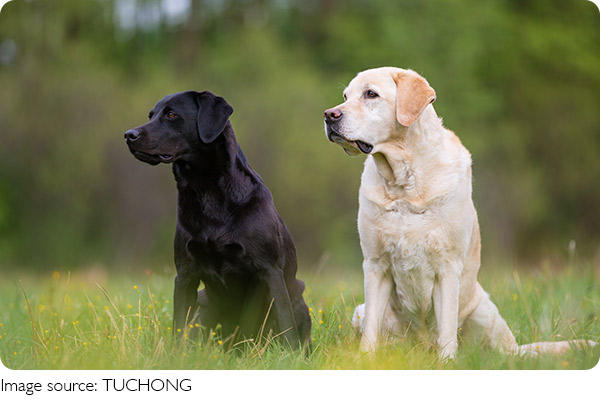
The Social Instincts Dogs Inherited
The roots of canine friendship can be traced back thousands of years. Domestic dogs descended from wolves, animals that survive through cooperation within family groups. Although modern dogs have adapted to living alongside humans, many social instincts remain deeply embedded in their behavior.
In wolf packs, cooperation is essential. Members hunt together, protect one another, and help raise young offspring. This evolutionary history helped shape a species that naturally seeks social connections. Today, dogs continue to rely on communication, trust, and companionship in their daily interactions.
However, not every dog approaches social situations in the same way. Some eagerly greet every dog they encounter, while others prefer limited interaction. Genetics, early-life experiences, training, and individual temperament all influence how comfortable a dog feels around others. Puppies exposed to positive social experiences during their developmental stages often grow into more confident and adaptable dogs later in life.
How Friendships Begin
Just as human relationships often start through shared activities, canine friendships frequently develop through play. Play behavior serves as a powerful social tool, allowing dogs to learn communication skills, establish trust, and understand boundaries.
During healthy play sessions, dogs exchange signals that indicate friendly intentions. A play bow—where a dog lowers its front legs while keeping its hindquarters raised—is one of the clearest invitations to interact. Chasing games, gentle wrestling, and taking turns during play help strengthen positive associations.
Repeated enjoyable encounters are particularly important. Dogs that regularly meet in a safe environment become familiar with each other's body language, energy levels, and behavior patterns. Over time, familiarity often evolves into preference.
Many owners observe that their dog interacts differently with certain companions. Instead of casually greeting every dog at the park, they may actively seek out one specific individual. This selective behavior suggests that dogs form social preferences rather than viewing all canine companions equally.
Why Some Dogs Choose Certain Friends
Researchers and behaviorists have noted several factors that contribute to strong canine relationships. One important factor is compatible play style. A high-energy dog may naturally bond with another dog that enjoys running, chasing, and vigorous activity. Meanwhile, calmer dogs often prefer companions that engage in gentler interaction.
Age can also play a role. Puppies frequently connect with other young dogs because their activity levels and curiosity are similar. Older dogs may gravitate toward companions that respect their physical limitations and personal space. Personality matters as well.
Confident dogs may enjoy socializing with outgoing partners, while shy dogs often feel more comfortable around patient and predictable companions. In many cases, friendship develops because two dogs simply understand each other's communication signals effectively.
The Influence of Pack Dynamics
To better understand canine friendships, it helps to examine the concept of social groups. While modern dogs do not typically live in wild packs, they still create social structures within households and communities.
In homes with multiple dogs, close relationships often emerge between specific individuals. Some pairs sleep together, play together, and remain near each other throughout the day. These bonds can be especially strong among littermates or dogs raised together from an early age.
Importantly, social structure does not prevent affection. Dogs can recognize boundaries within a group while still maintaining close attachments. In fact, cooperation often strengthens relationships because it creates predictability and trust.
Behavior specialists frequently observe bonded dogs displaying synchronized behaviors. They may move together, rest in the same area, or respond similarly to environmental changes. Such patterns indicate a deeper social connection rather than simple coexistence.
What Science Reveals About Canine Bonds
Studies of animal behavior continue to provide evidence that dogs experience complex social relationships. Researchers have documented behaviors that suggest emotional attachment, including seeking physical proximity, sharing resting spaces, and displaying signs of stress when separated from preferred companions.
Renowned ethologist Dr. Marc Bekoff has extensively studied social behavior in animals and highlights the importance of empathy and cooperation among dogs. His work suggests that canine relationships involve more than convenience or resource sharing. Instead, dogs appear capable of forming genuine social attachments based on trust and positive interaction.
Additional observations support this conclusion. Bonded dogs often comfort one another during stressful situations and may become noticeably more relaxed when their preferred companion is nearby. These responses indicate that friendship-like relationships can contribute to emotional stability and overall well-being.
Helping Your Dog Build Healthy Relationships
Creating opportunities for positive social interaction is one of the most valuable things an owner can do. Early socialization remains crucial, but dogs of any age can also benefit from carefully managed introductions and regular interaction with compatible companions.
Structured playdates, supervised dog park visits, and group training classes provide excellent opportunities for dogs to develop social skills. The key is ensuring that experiences remain positive and stress-free. Owners should also learn to recognize signs of healthy interaction.
Relaxed body language, loose movements, play bows, and voluntary engagement generally indicate that both dogs are enjoying the experience. Respecting a dog's comfort level is equally important, as forcing interaction can create anxiety rather than friendship.
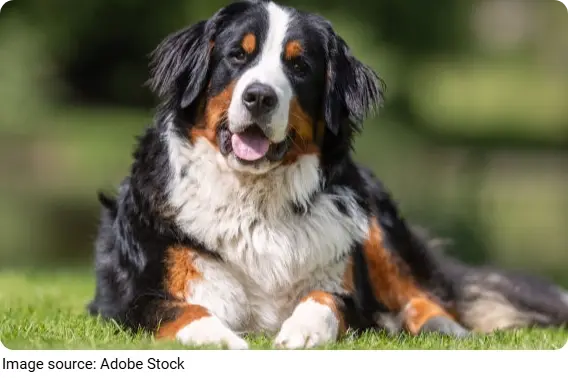
Dogs may never describe a companion as a "best friend," but their behavior often speaks louder than words. Through shared experiences, mutual trust, and repeated positive interactions, they form relationships that strongly resemble friendship. These bonds can provide emotional security, enrichment, and a greater sense of belonging.