Mute Swan Habits
Finnegan Flynn
| 07-08-2026
 · Animal Team
Have you ever stopped by a quiet lake and watched a mute swan glide across the water? These elegant birds are known for their calm appearance, but their daily lives are full of interesting habits.
Today, let's discover where they live, what they eat, how they raise their young, and why they have become one of the most admired water birds. The more we learn about them, the more we can appreciate the beauty of nature.
Where We Usually Find Mute Swans
Mute swans live mainly in freshwater habitats such as lakes, rivers, wetlands, and large ponds. They enjoy calm water with plenty of aquatic plants. Although they can walk on land, they move slowly because their bodies are built mainly for swimming. Once they enter the water, they become smooth and graceful swimmers.
These birds often stay with one partner or move in small family groups. During seasonal migration, larger groups may gather before traveling together. Their sharp eyesight helps them notice changes around them, allowing them to stay alert while feeding or resting.
How We Recognize Their Swimming Style
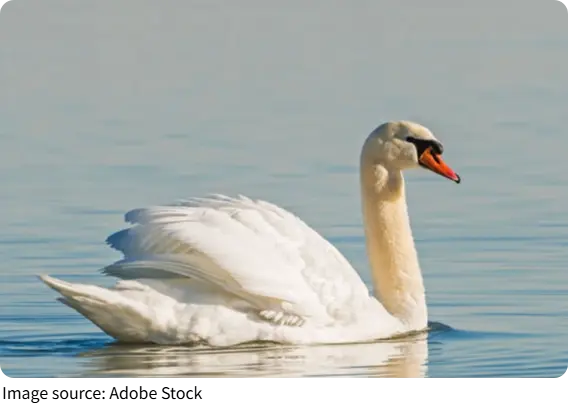
Mute swans have a very distinctive appearance on the water. While swimming, they often raise their wings slightly, creating a rounded shape above their backs. Their long neck curves gently, and the head points forward with quiet confidence. This elegant posture makes them easy to recognize from a distance.
Even while appearing peaceful, they carefully observe their surroundings. They balance beauty with awareness, allowing them to spend long hours feeding and caring for their families in open water.
What We Learn About Their Daily Diet
Aquatic plants are the main source of food for mute swans. They feed on roots, stems, leaves, buds, and young shoots growing beneath the water's surface. Their long necks help them reach plants that many other birds cannot easily access.
Besides water plants, they also eat algae, tiny aquatic creatures, small shell-bearing animals, insects, and little fish found in shallow water. This varied menu provides the nutrition they need throughout the year. They usually search for food during the morning and late afternoon, when the water is calm and feeding is easier.
How We Observe Their Nest Building
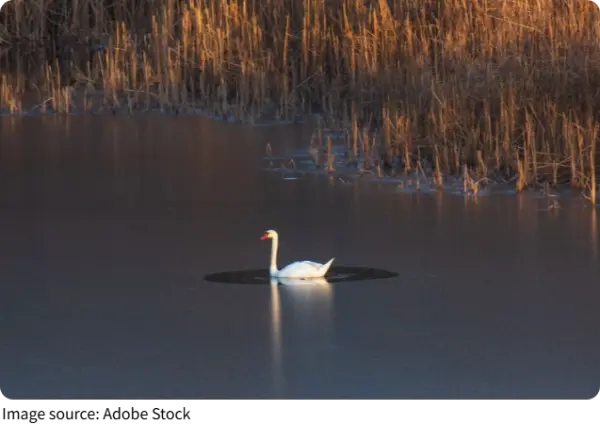
During the breeding season, mute swans choose quiet places surrounded by tall reeds. These natural shelters provide protection and help keep the nest hidden.
The nest is large and carefully built from reed stems, leaves, aquatic plants, and soft mud. Inside, the birds add dry grasses and soft feathers to create a warm space for the eggs. Both partners help prepare and maintain the nest, showing strong teamwork throughout the nesting period.
The Breeding Season We Can See
The breeding season usually takes place between March and May. A nest normally contains four to nine eggs, with many pairs laying around five or six. The eggs are creamy white or light blue-green and weigh about 340 grams each.
The incubation period lasts about 35 to 36 days. After the young hatch, they quickly begin following their parents across the water. The adults guide them to feeding areas and continue protecting them as they grow. Seasonal migration often begins from late September to mid-October, and the birds generally return during early spring.
How Long We Can Enjoy Their Presence
Mute swans are well known for their long lifespan. Many live between 20 and 30 years under suitable natural conditions. Their lifespan depends on habitat quality, food availability, and environmental conditions.
Some individuals have lived for more than 50 years, making them one of the longer-living water birds. A healthy habitat with abundant food allows them to thrive for many years and continue raising new generations.
Let's Continue Exploring Nature Together
Mute swans are admired for much more than their graceful appearance. Their excellent swimming ability, mainly plant-based diet, careful nest building, strong family bonds, and impressive lifespan all show how well they are adapted to life on the water. Every visit to a lake or wetland gives us another chance to observe these remarkable birds and appreciate their peaceful way of life.
Lykkers, have you ever seen a mute swan swimming quietly across a lake? Which of its habits impressed you the most? Share your thoughts, and let's continue exploring the fascinating world of wildlife together!
Things you need to know about MUTE SWANS
Video by A Shot Of Wildlife